





AMV Hospitals

Fibroids Treatment in Hyderabad
Years of Experience
0 +
Successful Surgeries
0 +
Happy Families
0 +

What are Fibroids?

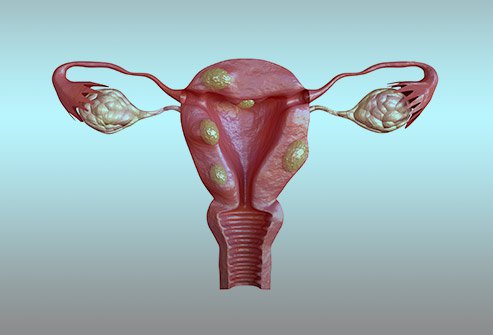
Fibroids are common, non-cancerous growths that develop from the muscle layer of the uterus. Also known as leiomyomas or myomas, fibroids are not linked to uterine cancer and almost never become cancerous. They may occur as a single fibroid or multiple fibroids and can vary in size from very small to large.

Fibroids can grow inside the uterus, within the uterine wall, or on the outer surface. Many women have fibroids without any symptoms and may only need regular monitoring, while treatment is recommended when fibroids cause symptoms or affect health or fertility.

Types of Fibroids

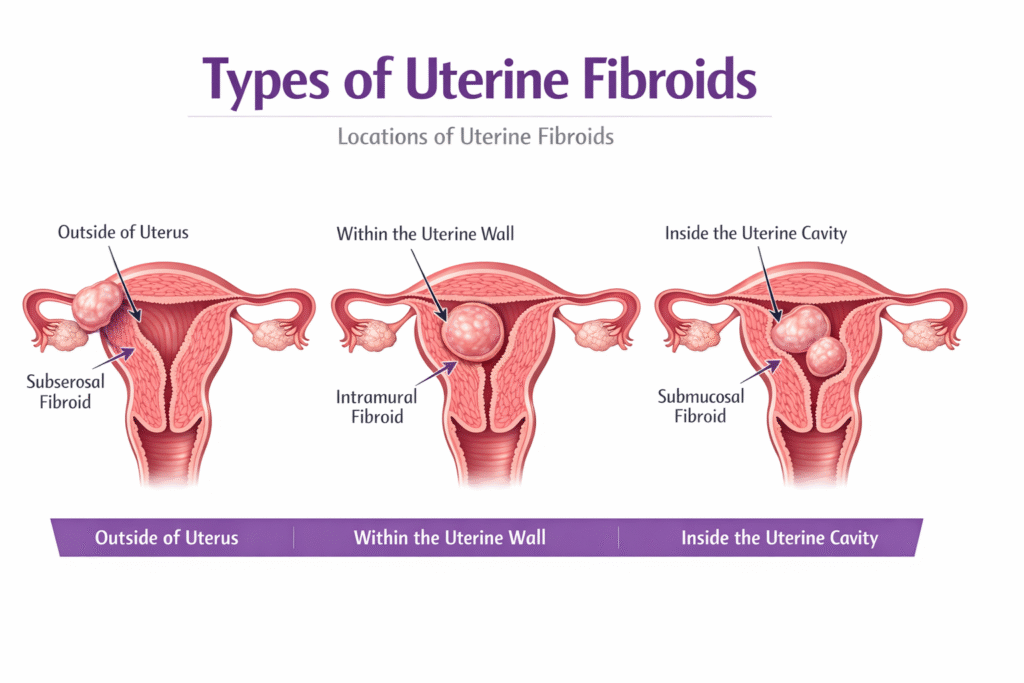
Uterine fibroids are classified based on where they develop in the uterus. The type and location of fibroid often determine the symptoms, impact on fertility, and treatment approach.

Subserosal fibroids develop on the outer surface of the uterus. These fibroids tend to grow outward and may cause pressure on nearby organs such as the bladder or bowel. As a result, women may experience symptoms like pelvic pressure, frequent urination, constipation, or lower back pain. Subserosal fibroids usually do not affect menstrual flow but can grow quite large if left untreated.

Intramural fibroids are the most common type and grow within the muscular wall of the uterus. As they enlarge, they may cause the uterus to expand, leading to heavy or prolonged menstrual bleeding, pelvic pain, and abdominal discomfort. In some cases, intramural fibroids can affect fertility or pregnancy outcomes, depending on their size and location.

Submucosal fibroids grow inside the uterine cavity, just beneath the inner lining of the uterus. Although they are less common, they are often associated with more severe symptoms, including heavy menstrual bleeding, irregular periods, anemia, and fertility problems. Even small submucosal fibroids can significantly impact reproductive health and usually require medical or surgical treatment.

Types of Fibroids

  • Many fibroids cause no symptoms and are often detected during routine ultrasound or gynaecological examination.
  • Heavy and prolonged menstrual bleeding is the most common symptom of uterine fibroids.
  • Excessive blood loss may lead to anaemia, causing fatigue, weakness, and shortness of breath.
  • Large fibroids can create pressure in the pelvis, leading to constant pelvic heaviness or pain.
  • Pressure on the bladder may cause frequent urination.
  • Pressure on the bowel can result in constipation or lower back pain.
  • Painful periods are not typically caused by fibroids, and other uterine conditions should be evaluated if severe pain is present.

Causes of Uterine Fibroids

Uterine fibroids develop due to a combination of hormonal, genetic, and lifestyle factors. Although the exact cause is not always clear, several influences are known to increase the likelihood of fibroid formation in the uterus.

In Vitro Fertilization in Hyderabad

Hormonal influence

Female hormones such as oestrogen and progesterone are known to support fibroid growth, particularly during the reproductive years.

Family history

Women with close relatives who have had uterine fibroids may be at a higher risk of developing them.

Cell growth stimulators

Certain natural growth substances in the body can encourage fibroid cells to multiply.

Uterine tissue changes

Increased production of extracellular matrix can make fibroids firm and allow them to grow further.

Weight and metabolism

Higher body fat levels may lead to increased oestrogen production, raising the risk of fibroids.

Early menstrual cycle start

Beginning menstruation at a young age has been linked to a greater chance of fibroid development.

Why Do Uterine Fibroids Develop?

The exact cause of uterine fibroids is not fully known. However, fibroids are strongly influenced by female hormones, particularly oestrogen. They tend to grow during the reproductive years when hormone levels are high and often shrink or stop growing after menopause when oestrogen levels decline.

Age

Uterine fibroids are more commonly seen in women between their 30s and 40s, with prevalence increasing until menopause.

In Vitro Fertilization in Hyderabad

Genetic background

A family history of fibroids raises the likelihood of developing them. Women whose mothers had fibroids have a significantly higher risk.

In Vitro Fertilization in Hyderabad

Ethnic factors

Fibroids are observed more frequently in Black women, while Asian women tend to have a lower incidence compared to other groups.

In Vitro Fertilization in Hyderabad

Body weight

Being overweight or obese increases osteogeny levels in the body, which may raise the risk of fibroid growth. Women with higher body weight have a greater likelihood of developing uterine fibroids.

How Do fibroids affect fertility?

Pregnancy with fibroids

In Vitro Fertilization in Hyderabad

Increased Risk of Pregnancy Complications

Pregnant women with uterine fibroids may face a higher chance of complications such as pain, bleeding, or abnormal uterine changes, depending on fibroid size and location.

Fibroid Removal Before Pregnancy

In most cases, fibroids are not removed before planning pregnancy, unless they are very large or have caused previous pregnancy-related complications.

Miscarriage Risk and Fibroids

Although miscarriages can occur, recent research shows fibroids alone rarely cause miscarriage, and many women go on to have healthy pregnancies.

Risk of Preterm Birth

Fibroids may increase the likelihood of preterm labor or early delivery, requiring careful antenatal monitoring.

Mode of Delivery Considerations

Women with fibroids have a higher chance of Caesarean section (C-section) due to fetal position changes or uterine obstruction.

Importance of Regular Pregnancy Monitoring

Close follow-up and personalized care help manage risks effectively and ensure safe outcomes for both mother and baby.

Diagnosis of Uterine Fibroids

Accurate diagnosis of uterine fibroids is essential for choosing the right treatment approach. At AMVI Hospital, advanced imaging techniques are used to confirm the presence, size, number, and location of fibroids, while also ruling out other uterine conditions.

Ultrasound is the first-line and most commonly used test for diagnosing uterine fibroids.

  • A transabdominal ultrasound provides a general view of the uterus and surrounding pelvic organs.
  • A transvaginal ultrasound offers a clearer and more detailed image of the uterine structure, especially for smaller fibroids.
  • Ultrasound helps identify the size, location, and number of fibroids.
  • It is a safe, painless, and widely available diagnostic tool.
  • In most cases, an ultrasound is sufficient to confirm the diagnosis of uterine fibroids.

MRI is used when further evaluation is required or when ultrasound findings are unclear.

  • MRI provides high-resolution, detailed images of the uterus.
  • It is especially helpful in differentiating fibroids from adenomyosis, another benign uterine condition that may appear similar on ultrasound.
  • MRI accurately maps the exact location and type of fibroids, aiding treatment planning.
  • It is useful for women with multiple fibroids or large uterine masses.
  • MRI assists doctors in selecting the most appropriate medical or surgical treatment option.
  • Proper diagnosis helps avoid unnecessary surgery.
  • It ensures fertility-preserving treatment when pregnancy is a concern.
  • Accurate imaging allows for personalized and effective management.

At AMVI Hospital, our specialists use advanced diagnostic tools and clinical expertise to ensure precise diagnosis and optimal treatment outcomes for women with uterine fibroids.

Treatment Options for Uterine Fibroids

Treatment for uterine fibroids depends on several factors such as the patient’s age, symptoms, fibroid size and location, overall health, and future fertility plans. At AMVI Hospital, we offer individualized treatment plans focused on safety, effectiveness, and fertility preservation whenever possible.

Medical treatment may help control fibroid-related symptoms and reduce fibroid size in selected patients.

  • Hormonal therapies such as GnRH agonists may temporarily shrink fibroids.
  • Hormone-releasing intrauterine devices (IUDs) can help reduce heavy menstrual bleeding.
  • Birth control pills may help regulate menstrual cycles and control symptoms.
  • Medical treatment is not suitable for every patient.
  • The choice of medication depends on age, fibroid size, ovarian function, and symptom severity.

At AMVI Hospital, specialists carefully evaluate each patient to determine whether medical management is appropriate.

Surgery is often the most effective option for fibroids, especially when symptoms are severe or fertility needs to be preserved.

Myomectomy involves removing only the fibroids while preserving the uterus.

  • It is the preferred option for women who wish to maintain fertility.
  • The uterus may or may not require suturing depending on fibroid depth.
  • Hysteroscopic myomectomy is used for fibroids inside the uterine cavity and is performed through the vagina without external cuts.
  • Laparoscopic myomectomy is performed through small abdominal incisions (5–10 mm) using a camera and specialized instruments.
  • This minimally invasive approach allows faster recovery and less pain.

Hysterectomy involves complete removal of the uterus and provides a permanent solution for fibroids.

  • It can be performed using laparoscopic, abdominal, or vaginal methods.
  • This option is usually considered for women who have completed their family.
  • Hysterectomy may affect ovarian function in some cases.
  • When possible, it is generally advisable to delay hysterectomy until after 40 years of age.
  • AMVI Hospital evaluates all alternative treatments before recommending this option.

This is a non-surgical treatment that reduces blood supply to fibroids.

  • A thin catheter is used to inject tiny particles into the uterine arteries.
  • The procedure is performed under X-ray (fluoroscopy) guidance.
  • Reduced blood flow causes fibroids to shrink and degenerate over time.
  • It may be suitable for women who are not fit for surgery.
  • Fertility may be affected, so careful counseling is required before choosing this option.

This advanced, non-invasive technique uses focused ultrasound energy to treat fibroids.

  • High-frequency ultrasound waves are precisely targeted at the fibroid tissue.
  • MRI guidance ensures only fibroid tissue is heated, sparing surrounding organs.
  • The treatment may require multiple sessions.
  • It is suitable only for selected fibroid types and locations.
  • There are certain limitations, and not all patients are candidates.

At AMVI Hospital, our experts provide:

  • Comprehensive evaluation
  • Fertility-focused treatment planning
  • Advanced surgical and non-surgical options
  • High standards of safety and patient care

We guide every patient toward the most effective and appropriate fibroid treatment based on individual needs.

About doctor

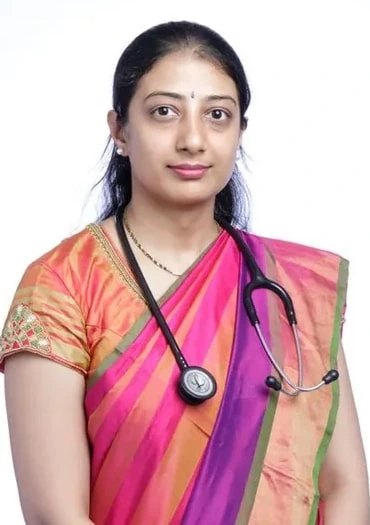
Dr Shaivalini Kamarapu – Fibroids & Fertility Specialist

Gynecologist, Fertility Specialist, Robotics & Laparoscopy Surgeon

About Dr Shaivalini Kamarapu (IFibroids VF Specialist)
  • Dr. Shaivalini Kamarapu is a highly experienced uterine fibroids and infertility specialist at AMVI Hospital, Hyderabad, with over 20 years of expertise in women’s reproductive health and advanced gynaecological care.
  • She specialises in the diagnosis and comprehensive management of uterine fibroids, offering personalised, evidence-based treatment for women experiencing heavy menstrual bleeding, pelvic pain, pressure symptoms, recurrent pregnancy loss, and fibroid-related infertility.
  • Her clinical expertise includes early detection of fibroids, advanced pelvic ultrasound evaluation, precise mapping of fibroid size and location, and detailed fertility assessment to understand the impact of fibroids on reproductive outcomes.
  • Dr. Kamarapu is highly skilled in minimally invasive fibroid surgeries, including laparoscopic and hysteroscopic myomectomy, focusing on uterus- and fertility-preserving techniques whenever possible.
  • She has extensive experience managing complex and recurrent fibroid cases, including large fibroids, multiple fibroids, fibroids affecting fertility or pregnancy outcomes, and patients with previous surgical or IVF failures.
  • Known for her ethical and patient-centred approach, she provides transparent counselling, realistic expectations, and customised treatment plans that may include medical therapy, minimally invasive surgery, or assisted reproductive techniques such as IVF when indicated.

In addition to her role at AMVI Hospital, Dr. Shaivalini Kamarapu also serves as a Consultant at Rainbow Hospitals, Apollo Hospitals, and Ankura Hospitals, making her a trusted and sought-after specialist for uterine fibroid treatment in Hyderabad.


Why choose Amvi hospital For Fibroids treatment

Experienced & Trusted Medical Specialists

In Vitro Fertilization in Hyderabad

Advanced Multispecialty Healthcare Services

In Vitro Fertilization in Hyderabad

State-of-the-Art
Medical Technology

In Vitro Fertilization in Hyderabad

Comprehensive Care
Under One Roof

In Vitro Fertilization in Hyderabad

Personalised Treatment Plans for Every Patient

In Vitro Fertilization in Hyderabad

Patient-First Treatment Approach

In Vitro Fertilization in Hyderabad

Comfortable Hospital Infrastructure & Facilities

In Vitro Fertilization in Hyderabad

Dedicated Support Staff & Patient Care Team

Trusted Hospital for Quality Healthcare Services

Our Fibroids care centers in Hyderabad

Puppalaguda

Attapur

Testimonials

I underwent fibroid treatment at AMVI Hospital, and the care I received was excellent. The doctor explained all treatment options clearly and guided me toward the best decision. AMVI is truly one of the best hospitals in Hyderabad for fibroid care.

Shalini Rao

We consulted AMVI Fertility and Maternity Center in Attapur for uterine fibroids. The diagnosis was accurate, and the treatment plan was personalized. Very professional team and great support throughout the treatment.

Kiran Deshpande

My fibroid-related symptoms were affecting my daily life, but treatment at AMVI Hospital, Puppalaguda brought great relief. The doctors were patient, knowledgeable, and caring. Highly recommend AMVI for fibroid treatment in Hyderabad.
Meenal Joshi

My wife received treatment for fibroids at AMVI Fertility and Maternity Center, and we are very happy with the results. The doctors focused on fertility preservation, which was very important to us. One of the best hospitals in Hyderabad.

Rakesh Agarwal

AMVI Hospital provided excellent guidance for my uterine fibroids. The minimally invasive treatment helped me recover quickly. I strongly recommend AMVI Hospital in Attapur for women looking for safe and effective fibroid treatment.

Anusha Menon

After visiting multiple hospitals, we chose AMVI Hospital, Puppalaguda, for fibroid management. The experience was smooth, transparent, and reassuring. Truly among the best hospitals in Hyderabad for fibroid care.

Deepak Khanna

Our blogs related to Fibroids

FAQs related to Fibroids

In some cases, fibroids may shrink on their own, especially after hormonal changes such as menopause. However, most fibroids need regular medical monitoring.

If fibroids are small and asymptomatic, doctors usually recommend follow-up ultrasound scans every 6 to 12 months to track any changes.

Yes, fibroids can cause pelvic pressure, bloating, or abdominal fullness, particularly when they grow larger in size.

Fibroids can recur after treatment, especially in younger women. Regular follow-up helps in early detection and timely management.

Yes, treatment options such as medications, hormonal therapy, and uterine artery embolization may help manage fibroid symptoms in selected patients.

Fibroids that distort the uterine cavity can reduce fertility and IVF success rates. Proper evaluation and treatment can improve outcomes.

Healthy lifestyle habits such as balanced nutrition, regular exercise, and stress management may help control symptoms, though they do not eliminate fibroids.

At AMVI Hospital, fibroids are diagnosed using advanced imaging like ultrasound and MRI, followed by personalized treatment planning based on fertility goals and symptoms.

Yes, AMVI Hospital specializes in fertility-preserving treatments such as medical management, hysteroscopic and laparoscopic myomectomy for eligible patients.

AMVI Hospital offers expert care led by experienced specialists, advanced minimally invasive procedures, personalised treatment plans, and a strong focus on safety and fertility outcomes.

You can schedule a Fibroids consultation at AMVI Hospital at the Attapur or Puppalaguda location by contacting the hospital directly and sharing any previous fertility records.

Looking for Expert Medical Care? Book an Appointment Today!