


AMV Hospitals

Asthenospermia (Low Sperm Motility)Treatment in Hyderabad

Years of Experience
0 +
Successful Surgeries
0 +
Happy Families
0 +

What is Asthenospermia (Low Sperm Motility)?

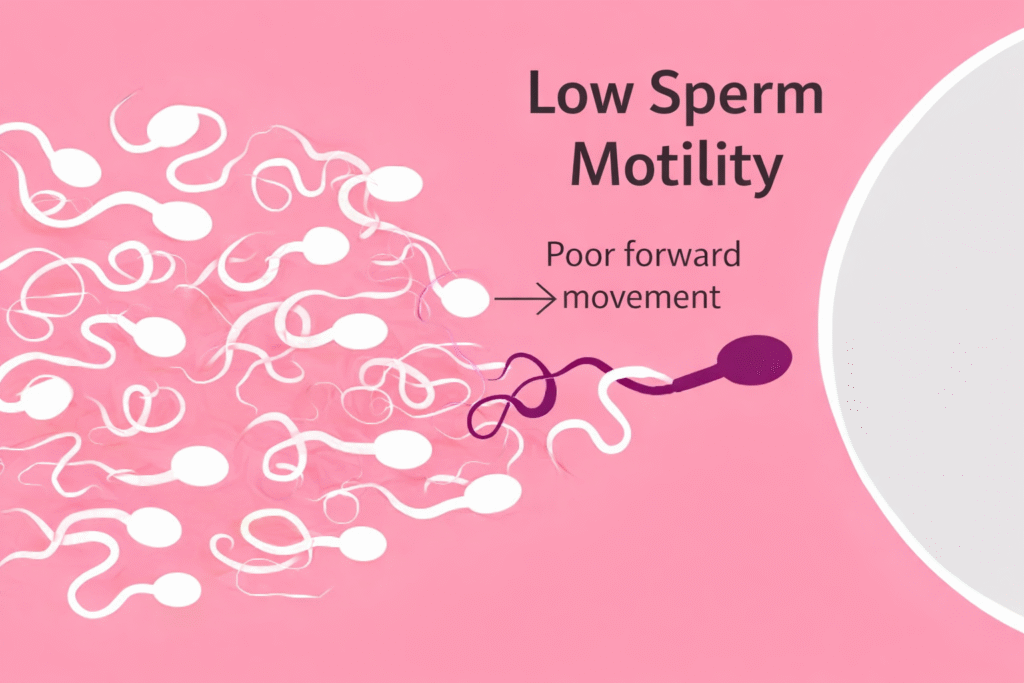
Asthenospermia, also known as asthenozoospermia or low sperm motility, is a male fertility condition in which sperm have reduced ability to move effectively. Proper sperm movement is essential for reaching the egg and achieving natural fertilisation.

In asthenospermia, sperm may swim slowly, move abnormally, or fail to progress forward. As a result, fewer sperm are able to reach the egg, which can reduce the chances of pregnancy. Low sperm motility is a significant factor in male infertility, even when sperm count and shape are within normal ranges.

Low sperm motility

How asthenospermia affects fertility

  • Infertility is defined as the inability to conceive after 12 months of regular, unprotected intercourse.
  • Asthenospermia is a common male-related factor that can reduce the chances of natural conception.
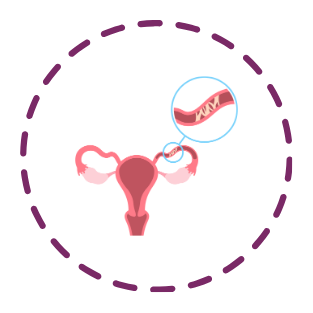
  • Poor sperm movement makes it difficult for sperm to travel through the female reproductive tract and reach the egg.
  • Even with normal sperm count, low motility can negatively impact fertilizations.
  • Fertility challenges are often multifactorial, involving sperm motility, sperm shape, sperm concentration, and female reproductive health.
  • Asthenospermia is typically assessed alongside other fertility parameters to determine the overall cause of infertility.

Who should consider asthenospermia testing or treatment?

You may need to consider evaluation or treatment for asthenospermia if you and your partner have been trying to conceive for more than one year without success, or if earlier fertility treatments have not resulted in pregnancy

A semen analysis indicates reduced sperm motility

You have experienced repeated IVF or IUI treatment failures

There is a known family history of male infertility

You have lifestyle risk factors such as smoking, obesity, or high stress levels

You have had previous testicular injury or reproductive tract infections

You are diagnosed with conditions such as varicocele or hormonal imbalance

Complications associated with asthenospermia

Asthenospermia may lead to several challenges, including:

Diagnosis of asthenospermia

Accurate diagnosis of asthenospermia requires a detailed evaluation, which may include the following tests:

Semen analysis

This is the primary test used to assess sperm count, sperm motility, and sperm morphology. It helps identify reduced movement of sperm.

Automated / AI-based semen analysis (CASA)

Computer-assisted semen analysis provides an objective and observer-independent assessment of sperm motility. Specialized machines measure sperm velocity and advanced parameters such as sperm motility index and functional sperm concentration. The sperm motility index can be especially useful in deciding the most appropriate line of treatment.

Hormonal tests

Blood tests are performed to evaluate hormone levels related to sperm production, including testosterone and other reproductive hormones.

Genetic testing

Genetic evaluations may be recommended to detect inherited conditions that can affect sperm motility.

Treatment of asthenospermia

Adopting healthy habits can improve sperm motility. This includes a balanced diet, regular physical activity, avoiding excessive heat exposure (such as hot tubs or saunas), limiting alcohol intake, quitting smoking, and managing stress.

If hormonal imbalance is identified, medications or hormone replacement therapy may be prescribed to restore normal hormone levels and support sperm production.

When infections are detected, appropriate antibiotics or antiviral medications are used to treat the condition and improve sperm health.

Surgical treatment may be considered for severe varicoceles (ultrasound grade 3 or 4). Surgery mainly improves sperm count, while its effect on sperm motility may be limited.

Supplements such as Vitamin C, Vitamin E, Coenzyme Q10, L-carnitine, and Astaxanthin may help reduce oxidative stress and enhance sperm function.

If genetic causes are identified, counseling can help patients understand hereditary risks and explore family planning options.

In severe cases where natural conception is difficult, treatments such as IVF or ICSI may be recommended. These methods involve fertilising the egg in a controlled environment before embryo transfer.

In some cases, treatment may be started without a clearly identified cause, using medications or supplements aimed at improving sperm motility.

About doctor

Dr Shaivalini Kamarapu – IVF & Male in Fertility Specialist

Gynecologist, Fertility Specialist, Robotics & Laparoscopy Surgeon

About Dr Shaivalini Kamarapu
  • Dr. Shaivalini Kamarapu is a highly experienced infertility specialist at AMVI Hospital, Hyderabad, with over 20 years of expertise in managing male and female reproductive health conditions.
  • She specialises in the evaluation and treatment of low sperm motility (Asthenospermia), providing personalised, evidence-based care for men with poor sperm movement, low progressive motility, and abnormal semen parameters.
  • Her clinical expertise includes comprehensive male infertility assessment, hormonal profiling, advanced semen analysis (including motility assessment), and interpretation of diagnostic investigations to identify the underlying causes of asthenospermia.
  • Dr. Kamarapu has extensive experience in managing complex fertility cases such as asthenospermia associated with repeated IVF or IUI failures, unexplained male infertility, and combined sperm abnormalities.
  • She offers expert guidance on treatment options for low sperm motility, including lifestyle optimisation, medical and hormonal therapy, antioxidant support, and assisted reproductive techniques such as IVF and ICSI, tailored to individual fertility goals.
  • Known for her ethical, transparent, and patient-centric approach, she ensures clear counselling and realistic expectations for couples undergoing treatment for asthenospermia and male infertility.
  • In addition to male fertility care, she is skilled in laparoscopic surgery and manages associated female fertility conditions, helping improve overall reproductive outcomes for couples.
  • Dr. Shaivalini Kamarapu also serves as a Consultant at Rainbow Hospitals, Apollo Hospitals, and Ankura Hospitals.


How to prevent asthenospermia

IVF (In Vitro Fertilisation) is often recommended when natural conception or simpler fertility treatments are not successful. Below are the common medical situations where IVF offers higher success rates:

  • Maintain a healthy lifestyle: Follow a balanced diet, exercise regularly, and maintain a healthy body weight to support normal sperm function.
  • Avoid excessive heat exposure: Limit the use of hot tubs, saunas, and prolonged exposure to high temperatures around the groin area.
  • Quit smoking: Smoking can damage sperm quality and significantly reduce sperm motility.
  • Limit alcohol and drug use: Excessive alcohol consumption and recreational drug use can negatively affect sperm production and movement.
  • Manage stress: Chronic stress may disrupt hormone balance and impact sperm health; stress-management techniques can be beneficial.
  • Protect Against Infections: Practice safe hygiene and seek timely treatment for reproductive tract infections to prevent sperm damage.


  • Avoid exposure to environmental toxins: Reduce contact with chemicals, pesticides, radiation, and other harmful environmental agents.
  • Treat medical conditions promptly: Conditions such as varicocele, hormonal imbalance, or chronic illnesses should be managed early.
  • Regular check-ups: Routine medical and fertility evaluations can help detect issues early and prevent complications.
  • Genetic counseling: If there is a family history of male infertility, genetic counseling may help assess risks and guide family planning.

Why choose Amvi hospital For treatment

Experienced & Trusted Medical Specialists

In Vitro Fertilization in Hyderabad

Advanced Multispecialty Healthcare Services

In Vitro Fertilization in Hyderabad

State-of-the-Art
Medical Technology

In Vitro Fertilization in Hyderabad

Comprehensive Care
Under One Roof

In Vitro Fertilization in Hyderabad

Personalised Treatment Plans for Every Patient

In Vitro Fertilization in Hyderabad

Patient-First Treatment Approach

In Vitro Fertilization in Hyderabad

Comfortable Hospital Infrastructure & Facilities

In Vitro Fertilization in Hyderabad

Dedicated Support Staff & Patient Care Team

Trusted Hospital for Quality Healthcare Services

Our centers in hyderabad

Puppalaguda

Attapur

Testimonials

I consulted AMVI Maternity and Fertility in Attapur for low sperm motility. The diagnosis was clear and the treatment plan was explained in detail. Highly satisfied with the care.

Ramesh Verma

AMVI Hospital Puppalguda is one of the best hospitals in Hyderabad for fertility treatment. The doctors guided us patiently after repeated treatment failures elsewhere.

Imran

We chose AMVI Maternity and Fertility, Attapur for male infertility evaluation. The advanced semen testing and counselling gave us confidence and hope.

Anil R

Excellent experience at AMVI Hospital Puppalguda. The team addressed my low sperm motility issue professionally and suggested the right treatment options.

Sameer Mehta

AMVI is truly among the best hospitals in Hyderabad for fertility care. Ethical advice, transparent communication, and personalized treatment made a big difference.

Vikas

Our blogs related to Low Sperm Motility

FAQs related to low sperm motility

Yes. Very long or very short periods of abstinence can influence sperm quality. Moderate abstinence, as advised by a fertility specialist, usually provides the most accurate assessment of sperm motility.

Natural conception may still occur in mild to moderate cases. However, when motility is significantly reduced or pregnancy is delayed, fertility treatment may improve the chances of conception.

When sperm are completely non-motile, natural conception is extremely unlikely. In such cases, advanced treatments like ICSI can help achieve fertilisation.

For idiopathic asthenospermia, treatment may include lifestyle changes, antioxidant therapy, medical management, and assisted reproductive techniques based on individual fertility goals.

Sperm motility is considered low when the percentage of actively moving sperm falls below normal reference values on semen analysis.

In some moderate cases, regular and well-timed intercourse may improve the chances of conception by ensuring fresher sperm with better movement.

Not always. Many cases improve with appropriate treatment, lifestyle changes, or medical intervention, depending on the underlying cause.

Highly processed foods, excessive sugar, trans fats, and excessive alcohol may negatively affect sperm health and should be limited.

Some genetic conditions can affect sperm motility, but not all cases are hereditary. Proper evaluation helps determine the cause.

You can schedule an consultation at AMVI Hospital at the Attapur or Puppalguda location by contacting the hospital directly and sharing any previous fertility records.

Looking for Expert Medical Care? Book an Appointment Today!